BenQ · IMNT6299
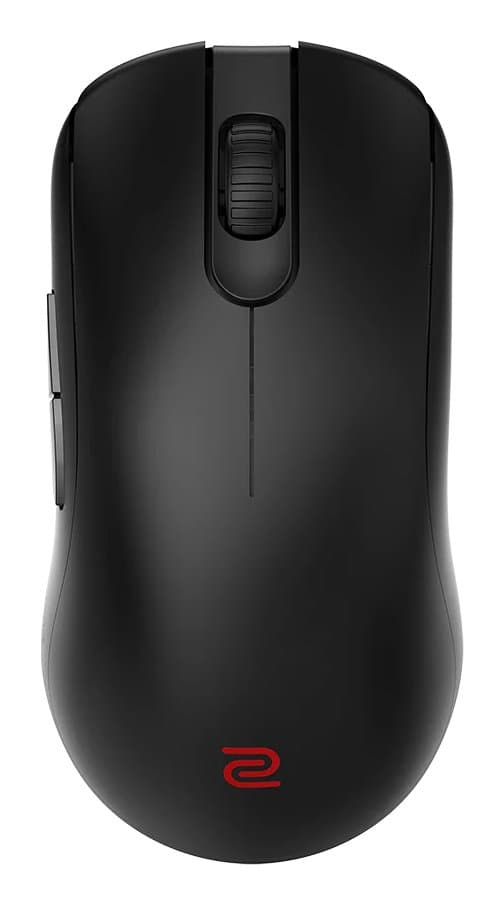
Benq Zowie Gaming Mouse Black Wireless Middle Size Driverless
$193
BenQ FK2-DW, Right-hand, Optical, RF Wireless, 3200 DPI, Black
- Symmetrical gaming wireless mouse for esports
- Lower hump design for more agile micro adjustments
- Wireless design with 4K enhanced receiver
- Driverless; plug and play
- Powered by Sports Science for FPS gameplay
Only 1 left · order soon
About this product
Delivers Agile and
Precise Micro Adjustments
Agility
More Flexible Micro Adjustments
Lower Hump
The FK’s hump is lower than other mice. It creates more space between palm and mouse, allowing for more flexible micro adjustments when aiming at the enemy over longer distances or targeting a moving enemy.
Greater Range of Micro Adjustments
Sports science testing confirms that increasing the space between palm and mouse allows greater movement and thus more precise micro adjustments.
Shorter Aiming Time
Our tests show that the FK delivers faster aiming for shooting.
Sharper Angle. Faster Lifting.
In comparison to other mice, FK has a larger left and right tilt angle which together with the finger support points, makes it easier to apply upward force. It helps players lift the mouse faster and quickly transition to the next action.
Right-Side Curve. More Accurate Shooting.
In contrast to others, the FK's right side curve enhances palm muscle activation for effective braking. This design results in greater control and improved performance during targeted flick shots.
Enhanced receiver reduces signal interference
The enhanced receiver offers improved stability of the wireless signal and minimizes frame drops and stuttering stemming from wireless interference during gaming.
Others
The reception footprint of other receivers has no directionality making it difficult to determine the exact direction for optimum signal reception thus resulting in weaker signal transmission.
FK2-DW
The exclusive directional enhanced receiver increases the reception footprint toward the mouse which improves signal reception. A reduced range of reception at the back of the receiver can effectively minimize interference from signals originating in the rear.
Precise Micro Adjustments
Agility
More Flexible Micro Adjustments
Lower Hump
The FK’s hump is lower than other mice. It creates more space between palm and mouse, allowing for more flexible micro adjustments when aiming at the enemy over longer distances or targeting a moving enemy.
Greater Range of Micro Adjustments
Sports science testing confirms that increasing the space between palm and mouse allows greater movement and thus more precise micro adjustments.
Shorter Aiming Time
Our tests show that the FK delivers faster aiming for shooting.
Sharper Angle. Faster Lifting.
In comparison to other mice, FK has a larger left and right tilt angle which together with the finger support points, makes it easier to apply upward force. It helps players lift the mouse faster and quickly transition to the next action.
Right-Side Curve. More Accurate Shooting.
In contrast to others, the FK's right side curve enhances palm muscle activation for effective braking. This design results in greater control and improved performance during targeted flick shots.
Enhanced receiver reduces signal interference
The enhanced receiver offers improved stability of the wireless signal and minimizes frame drops and stuttering stemming from wireless interference during gaming.
Others
The reception footprint of other receivers has no directionality making it difficult to determine the exact direction for optimum signal reception thus resulting in weaker signal transmission.
FK2-DW
The exclusive directional enhanced receiver increases the reception footprint toward the mouse which improves signal reception. A reduced range of reception at the back of the receiver can effectively minimize interference from signals originating in the rear.
Specifications
Product details
Brand
BenQ
Vendor
BenQ
Ingram Part Number
NT6299
UPC
0840046050528
MSRP
$160
Stock
1 units
You might also like

BenQ
BenQ BL2490T 23.8" Monitor, 1920×1080 Full HD, 100Hz, 5ms Response, IPS
$207

BenQ
BenQ BL2790 27" Full HD IPS Monitor, 1920 x 1080, 100Hz, 5ms
$207

BenQ
BenQ GW2790, 27" 1920×1080 Full HD IPS, 5ms, 100Hz, 250 nits
$207
BenQ
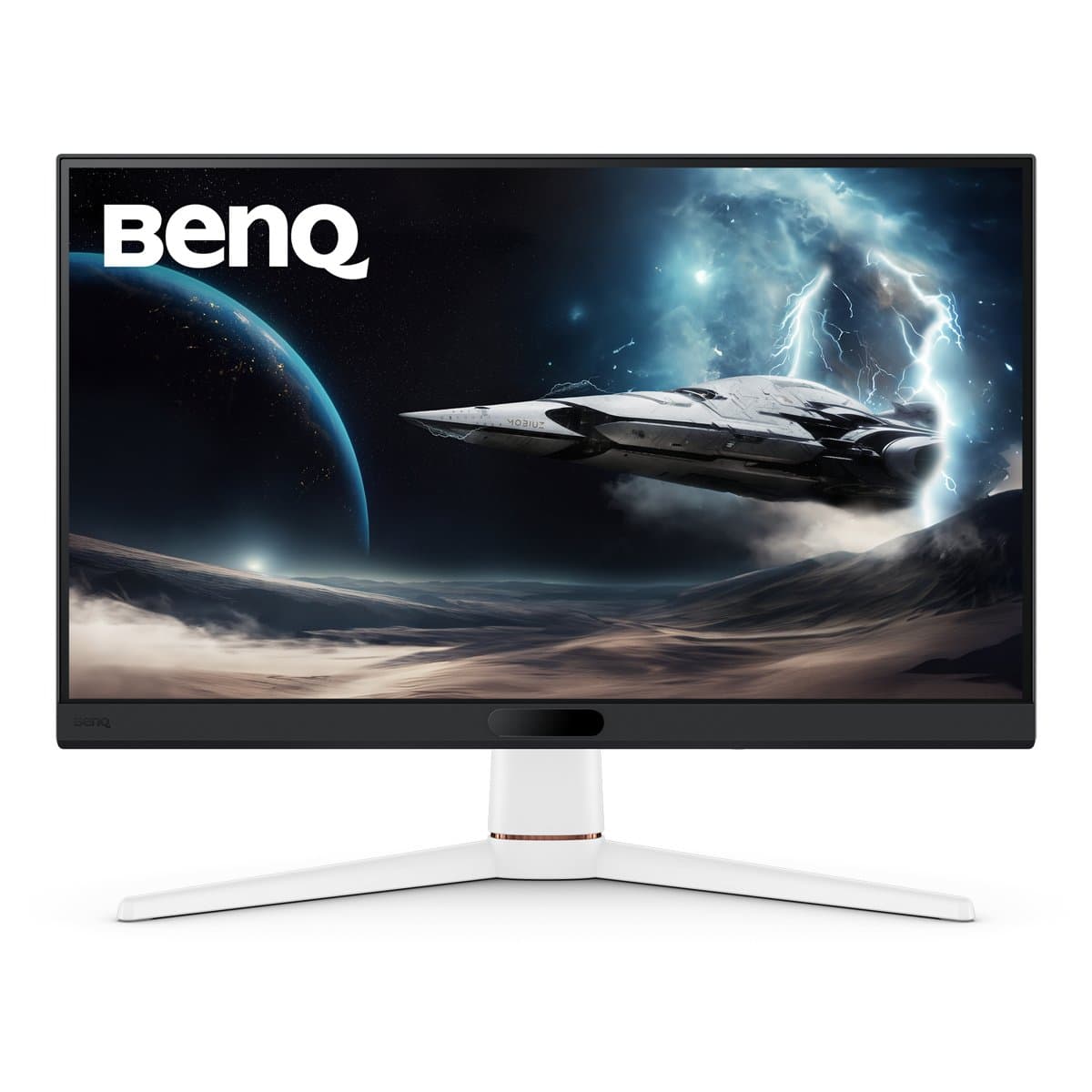
BenQ MOBIUZ EX251 24.5 Inch 1080p IPS Gaming Monitor, 1ms Response, 178° Viewing
$207

BenQ
BenQ GW2490, 23.8" Monitor, Full HD, 1920×1080, 100Hz, 5ms
$170

BenQ
BenQ BL2490, 23.8" IPS Monitor, 1920x1080, 100Hz, 5ms Response
$170

BenQ
BenQ GW2283, LCD Monitor, 21.5-inch Full HD, 1920 x 1080, 5ms
$160

BenQ
BenQ GW2790T 27" IPS Monitor, 1920 × 1080 Full HD, 100Hz, 5ms
$247
BenQ
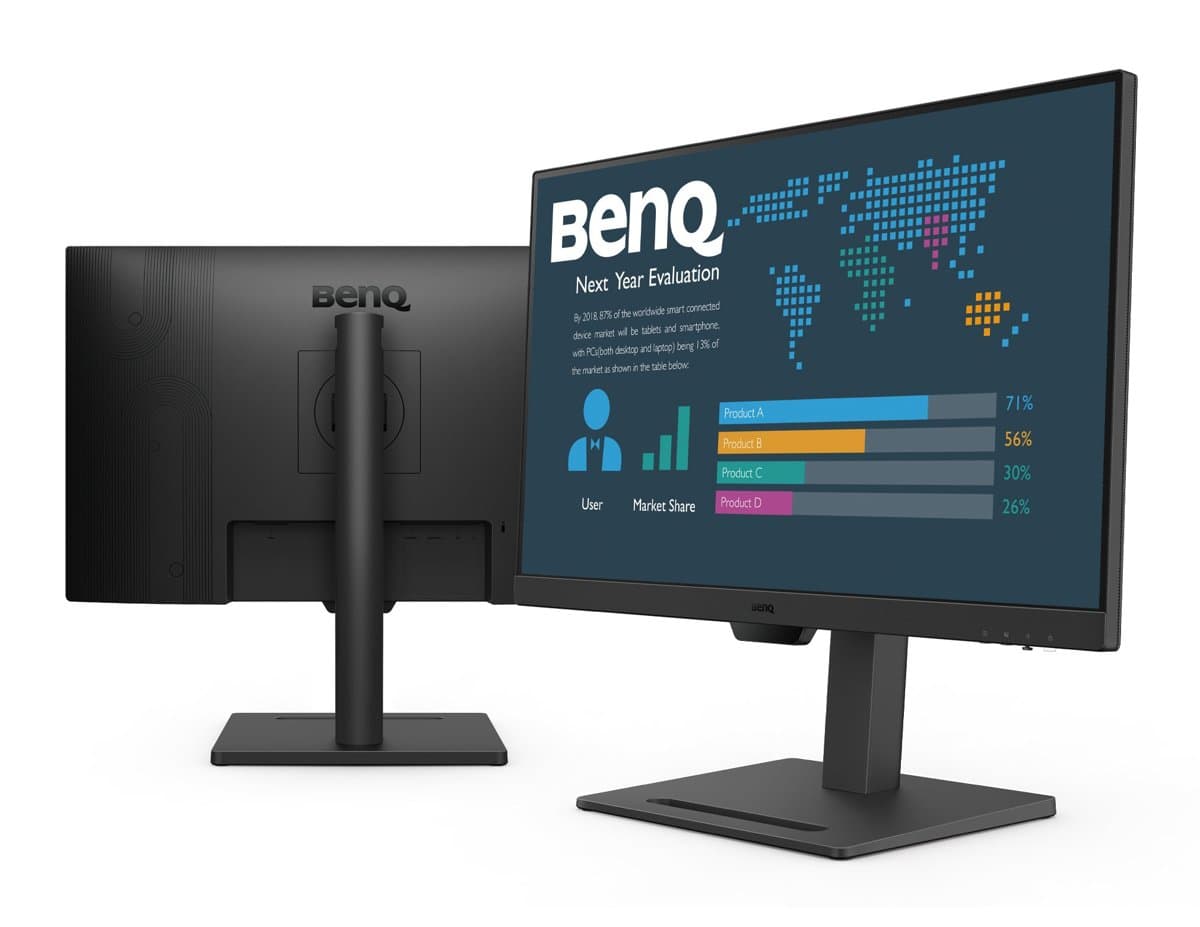
BenQ BL2790T, 27" IPS Full HD Display, 100Hz, 5ms, 250 nits
$251

BenQ
BenQ BL2486TC, 23.8" Full HD Monitor, 5ms IPS, USB-C 65W
$281

BenQ
BenQ GW2486TC, 23.8" Full HD IPS Monitor, USB-C 65W, Built-in USB Hub
$295

BenQ
BenQ BL2786TC 27" Monitor, 1920×1080 Full HD, 100 Hz, IPS, USB-C 65W
$318